Earth vs Mars
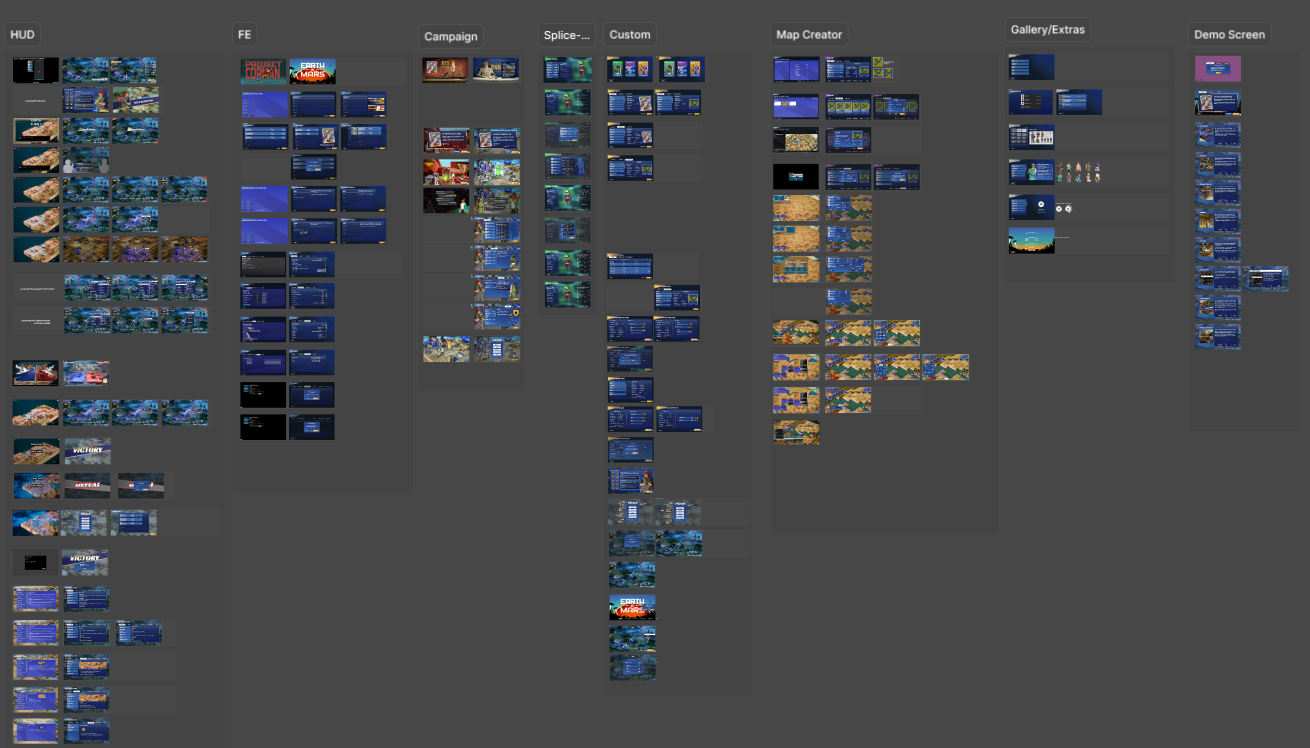
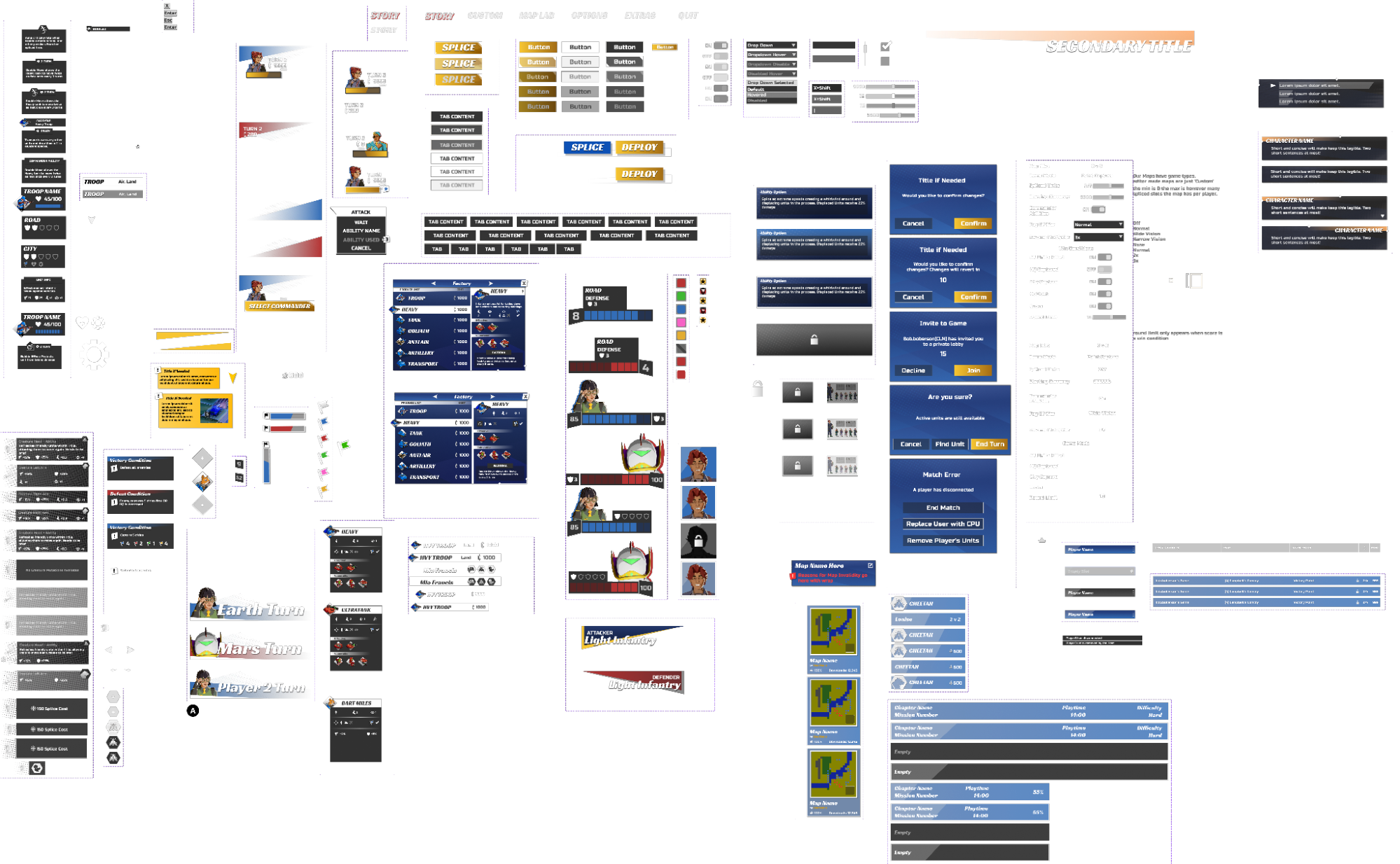
This was an experimental project by Relic to test studio flexibility. I was the primary contributor on UX planning and UI art direction for the game.
Favorite Challenges Combat Comparison + Controller Compatible Map Movement
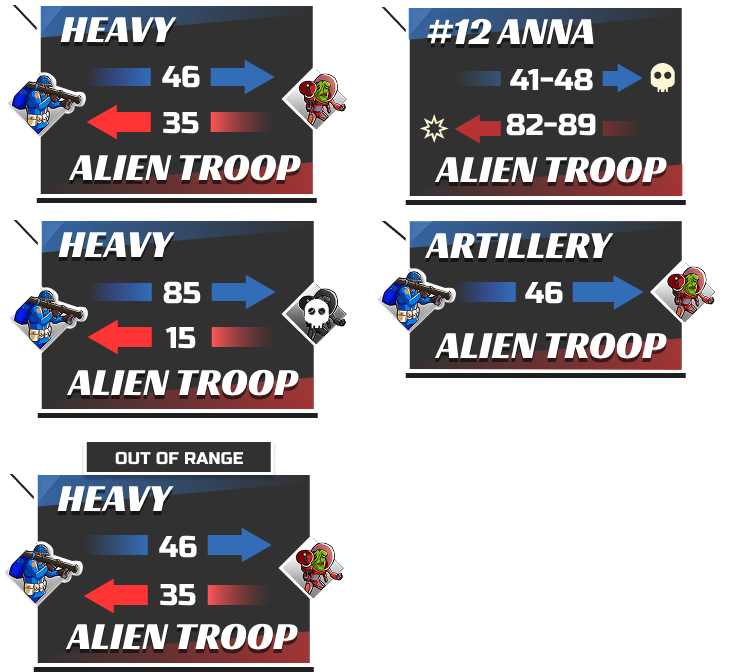
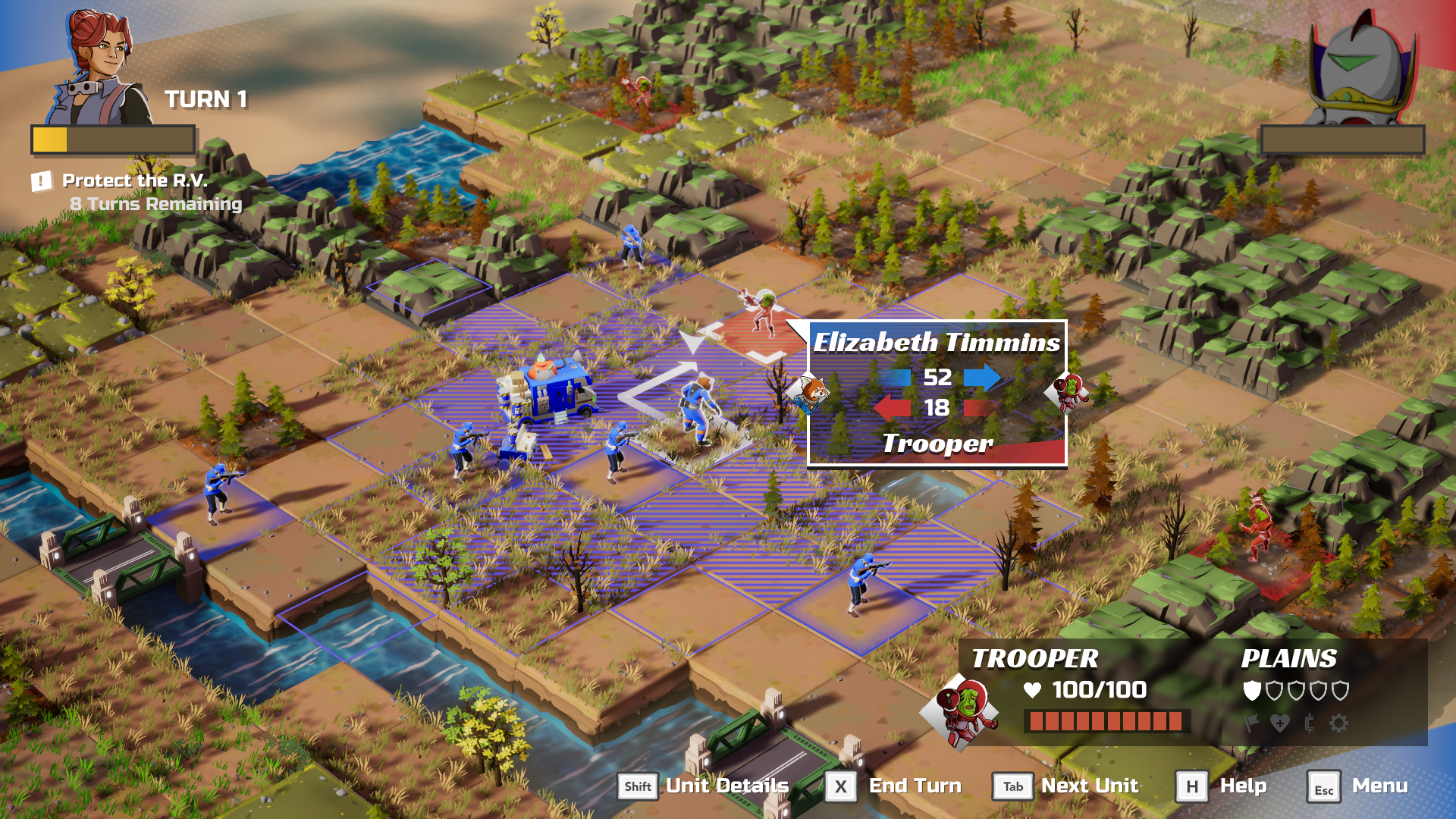
EvM was contributing to a long history of lighter tactical games, and an important element in the history of the genre is predictive combat between two units. Additionally, we wanted a navigation method compatible with controller input - Earth vs Mars is now a Steam Deck Verified game, and this had to be prepared for early on.
Considerations
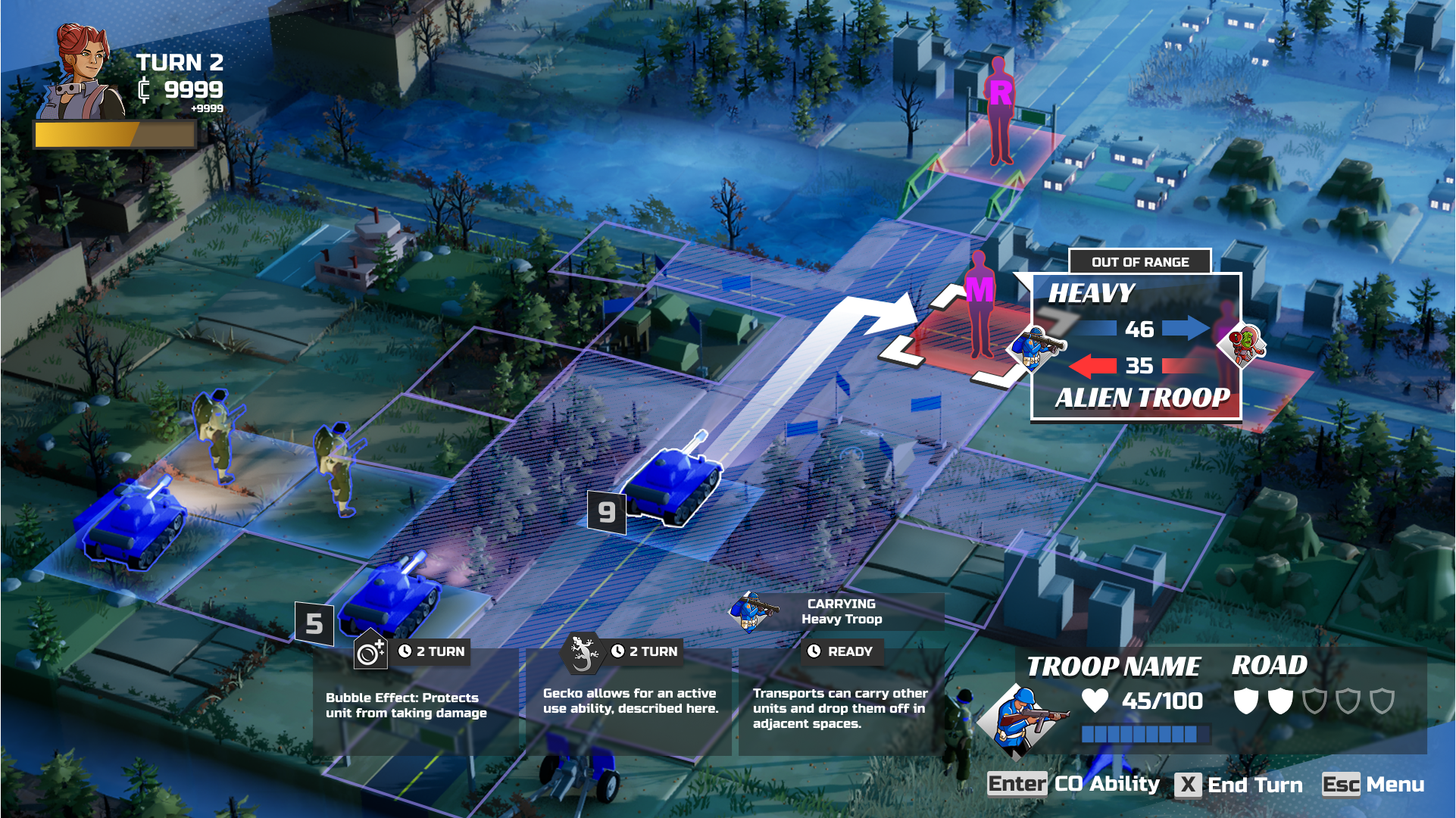
Movement needed to be clear, and overlap between friendly vs enemy units needed to be distinct. This also includes players understanding how a combat might resolve when highlighting an attackable enemy unit. Challenges like players having multiple colours but also using (accessible friendly) blue and red to indicate relative alignment on move/attack would have to be dealt with.
Solution
Through a lot of exploration and a mandatory simplification of design, by refusing to show decimals I was able to make the combat comparison display quickly parseable to players. This along with some simple additions of icons to explain unit death resulted in a clean, understandable interface. For unit movement, a step by step process of carefully creating each movement state for each unit maintained usability whilst allowing for the many unit designs in EvM.
Splice-o-tron
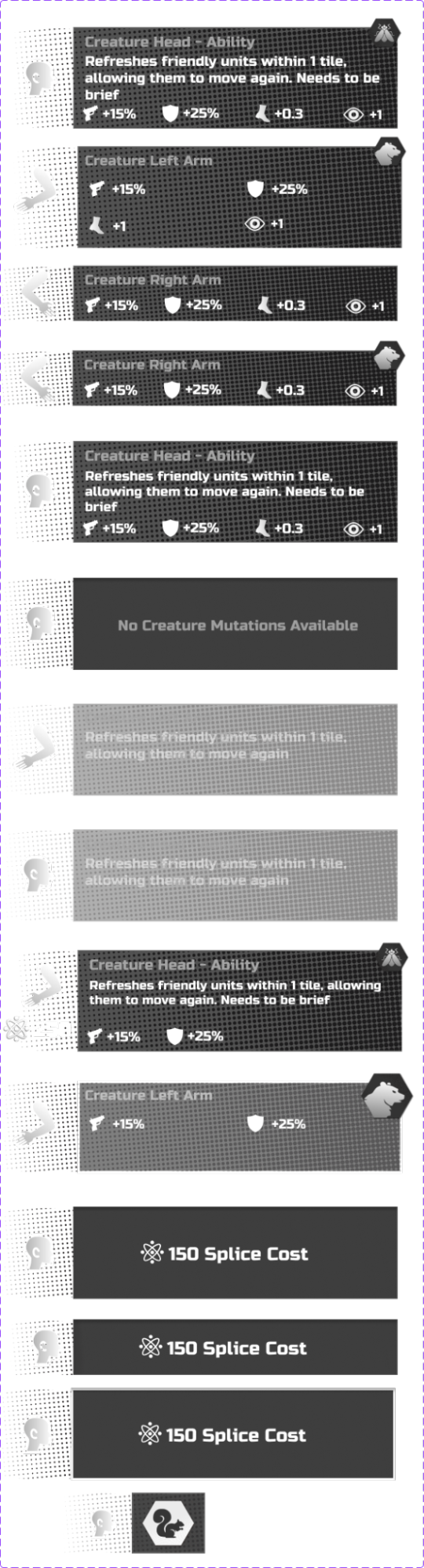
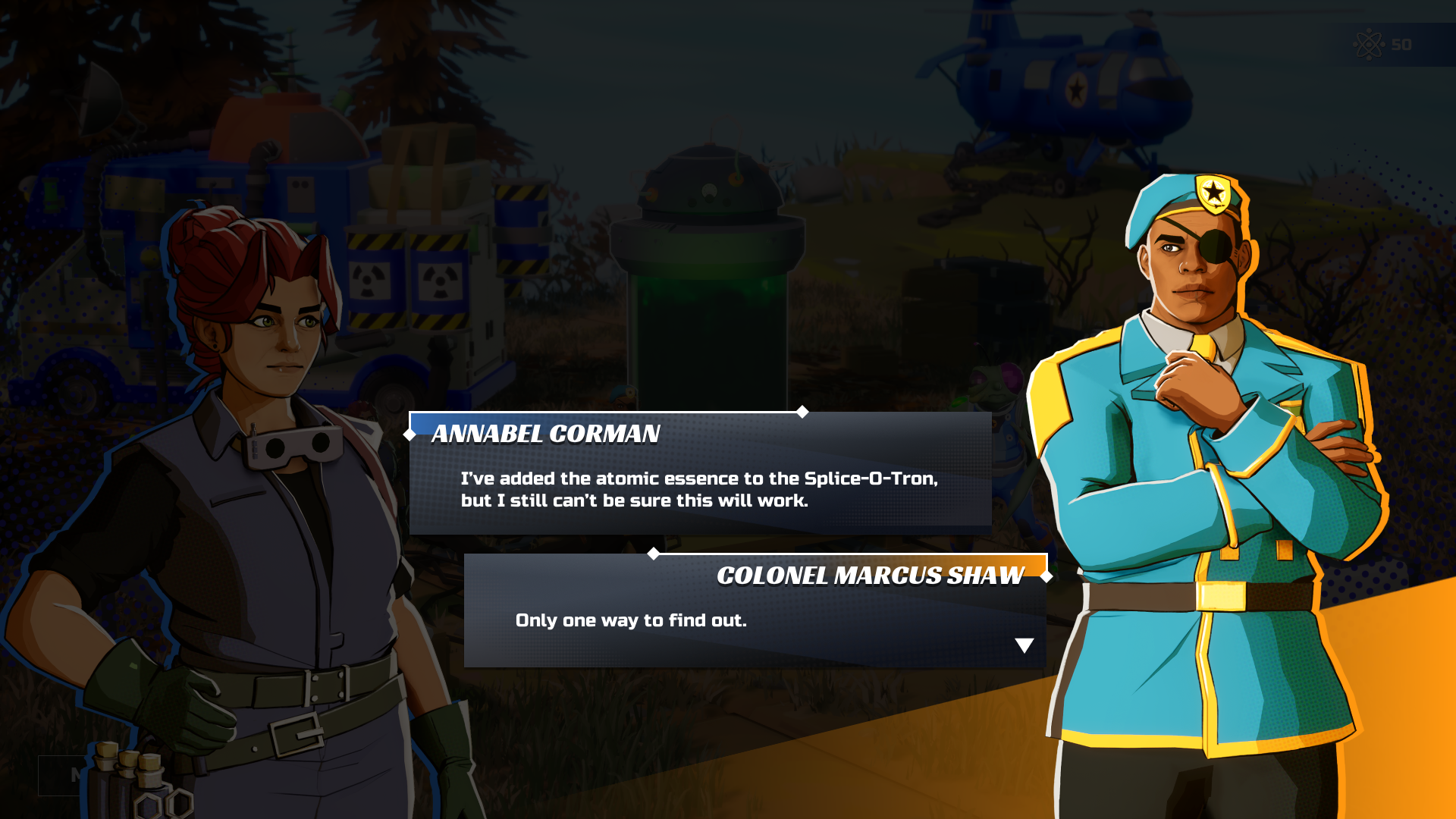
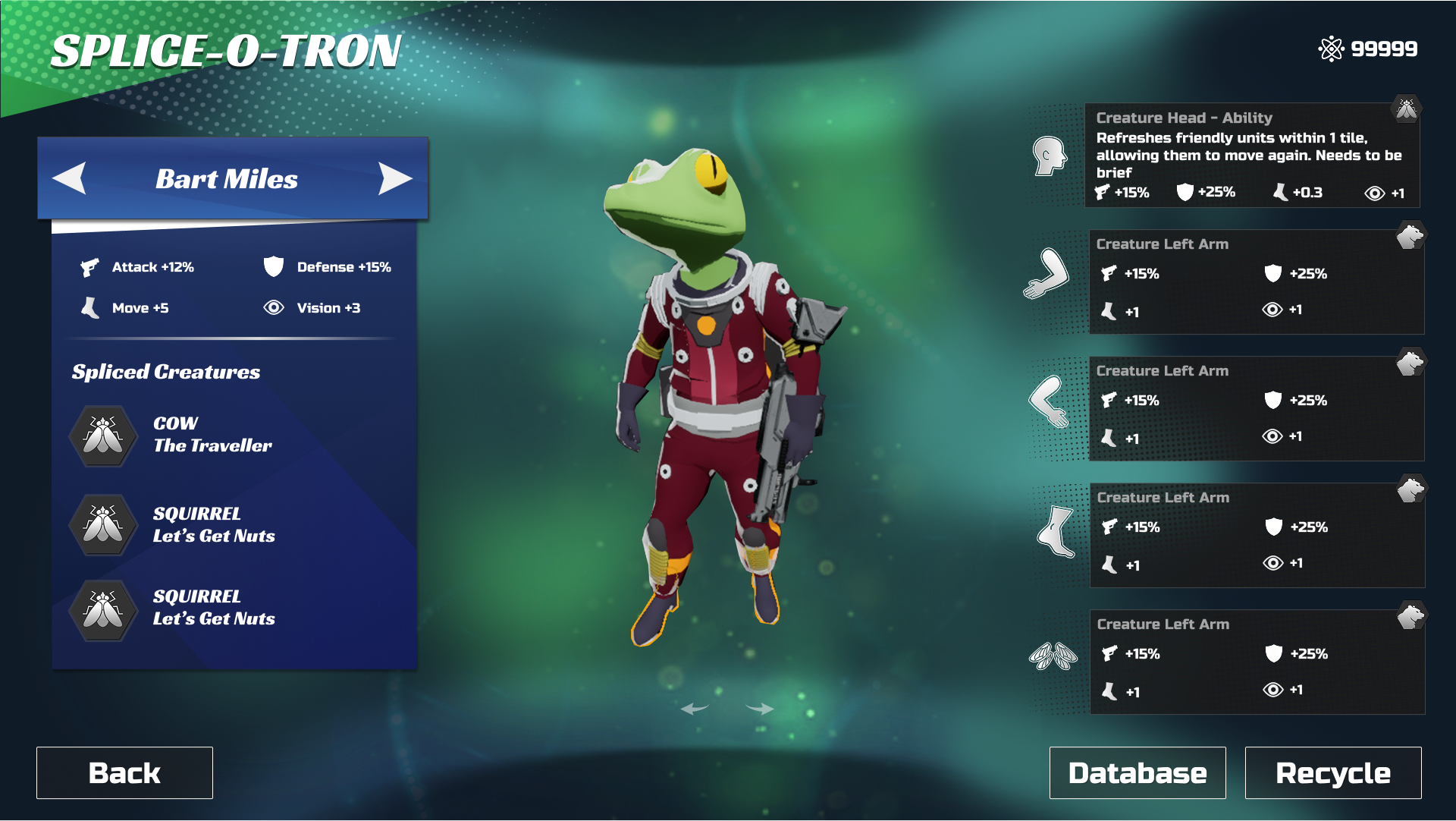
This was the flagship unique trait of the game. We wanted big story telling moments focused on this mechanic, and it was important to be integrated into regular game flow.
Considerations
At initial outlook, the Splice-o-tron had very mixed design fundamentals. Mechanics that might cancel each other out were a serious problem, and showing combinations of stats was too complex for players to easily understand how it would impact gameplay.
Solution
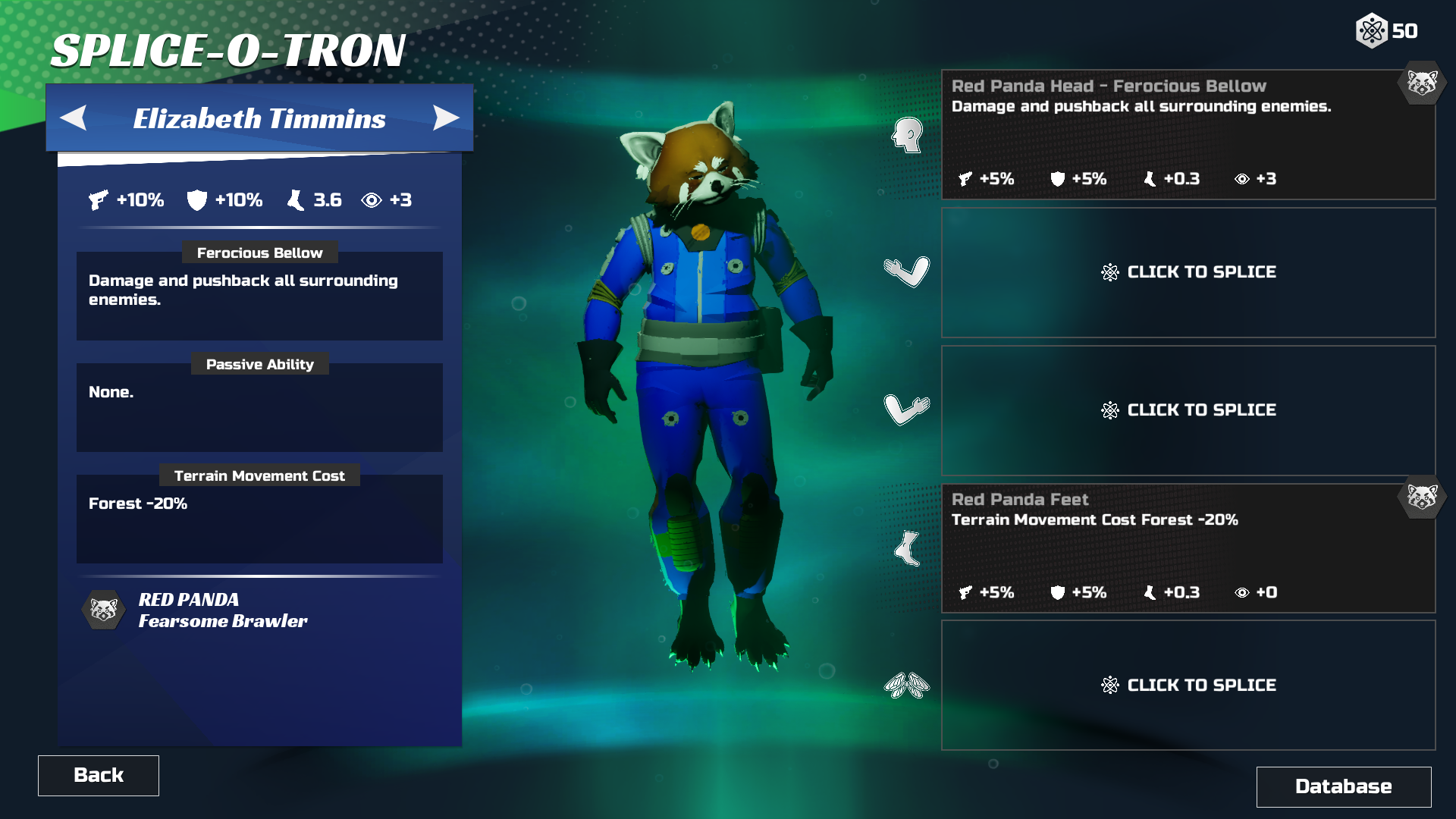
By looking at industry standard UX, I identified the internal tests as ultimately resembling an equipment system. This would help simplify the art team's approach, so I pushed to make Splice mechanics based on a unit's 'slots', as represented by their different body parts. This gives players the fun of customizing their creatures, whilst still easily understanding what they are influencing. It cleaned up Designs approach dramatically to have stats isolated to single attributes on a unit and this design became the standout final mechanic.
Other UI/UX Work for Earth vs Mars